Supports an open pathway
The forward-jaw position is designed to create more space behind the tongue. For suitable adults, that may reduce the tissue vibration associated with snoring.
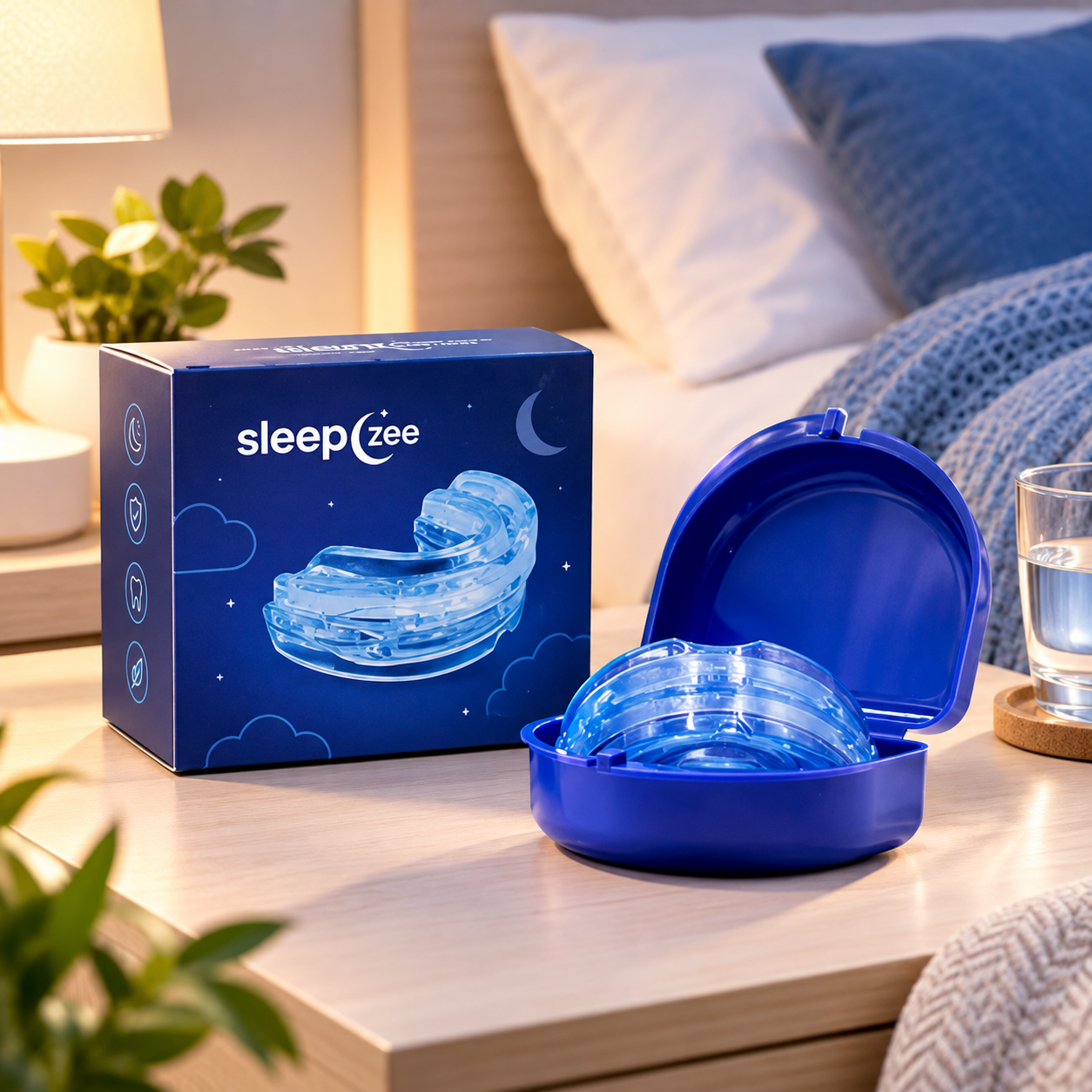
SleepZee is an adjustable nighttime mouthpiece designed to gently encourage the lower jaw forward. For some adults, that simple change may support a more open airway and help make ordinary snoring less disruptive—without bulky bedside equipment.
For ordinary snoring only. Not a replacement for diagnosis or treatment of sleep apnea.
Understanding the design
Snoring often begins when air passes through relaxed tissues in a narrowed upper airway, causing those tissues to vibrate. A mandibular advancement mouthpiece takes a mechanical approach: it holds the lower jaw slightly forward while you sleep. This can create more room behind the tongue and may reduce the vibration that produces snoring in suitable users.
SleepZee brings that familiar concept into a compact, adjustable format intended to fit into an ordinary bedtime routine. Rather than adding powered equipment to the bedroom, the mouthpiece is prepared, molded, and worn in the mouth. The goal is not to promise silent sleep to everyone. Anatomy, sleeping position, alcohol use, nasal congestion, body weight, medicines, and underlying health conditions can all influence snoring, so individual experiences naturally differ.
It is also important to separate primary snoring from obstructive sleep apnea. Loud snoring can sometimes be a sign of repeated breathing interruptions during sleep. A mouthpiece sold for snoring should never be used to self-diagnose that condition or to replace prescribed care. If symptoms suggest sleep apnea, the right first step is a conversation with a healthcare professional and, when recommended, a sleep assessment.
Think of the device as a physical aid rather than a medicine. It does not change the muscles or permanently reshape the airway. Its intended effect depends on wearing it correctly during sleep, and any benefit may disappear when it is not used. That is why comfort, fit, maintenance, and realistic expectations matter just as much as understanding the underlying idea. If a partner is helping you assess snoring, ask them to describe patterns over several nights rather than drawing a conclusion from a single evening.
Why people consider SleepZee
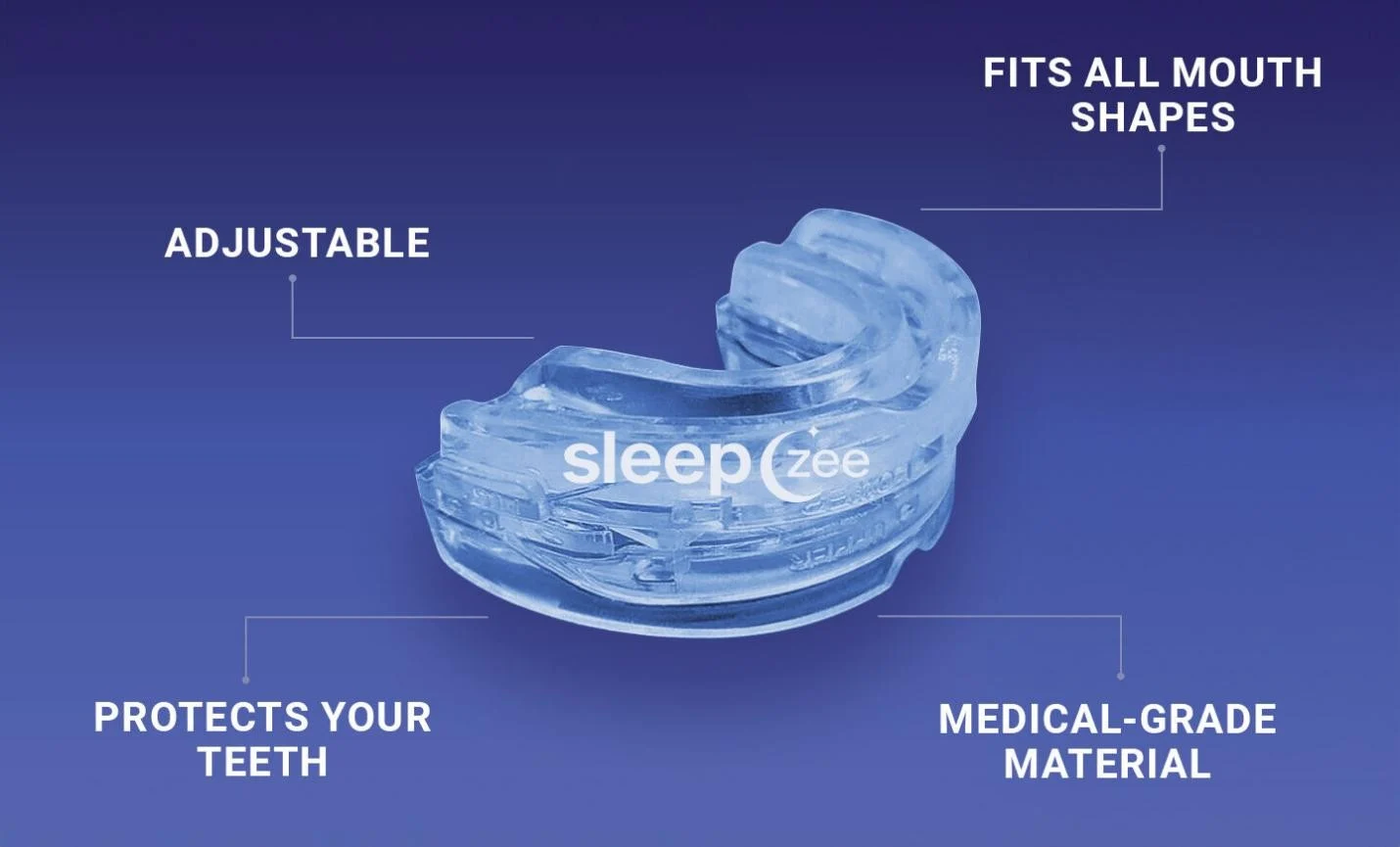
A useful nighttime product should be understandable, manageable, and easy to keep close. SleepZee focuses on the practical details that can help an oral appliance become a consistent part of bedtime.
The forward-jaw position is designed to create more space behind the tongue. For suitable adults, that may reduce the tissue vibration associated with snoring.
The mouthpiece is warmed and molded according to its instructions, helping it conform more closely to your teeth than a completely fixed, one-shape design.
Once the fitting process is complete, there are no wires or powered bedside parts to arrange. Place it as directed before sleep and keep care consistent.
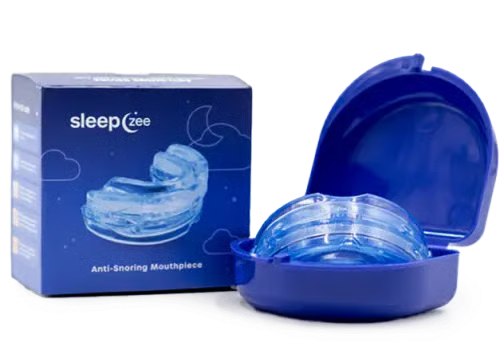
The included-style storage case keeps the mouthpiece together between uses and makes it easier to take along when your nighttime routine moves away from home.
Looking for an uncomplicated anti-snoring option? Review the latest product details and ordering terms on the official website.
Explore SleepZeeFitting and nightly use
A mouthpiece is only helpful when it fits securely and can be worn comfortably. Read the instructions included with the product from beginning to end before molding it. Exact water temperature, timing, positioning, and cooling directions matter, and the supplied guidance should always take priority over a general online summary.
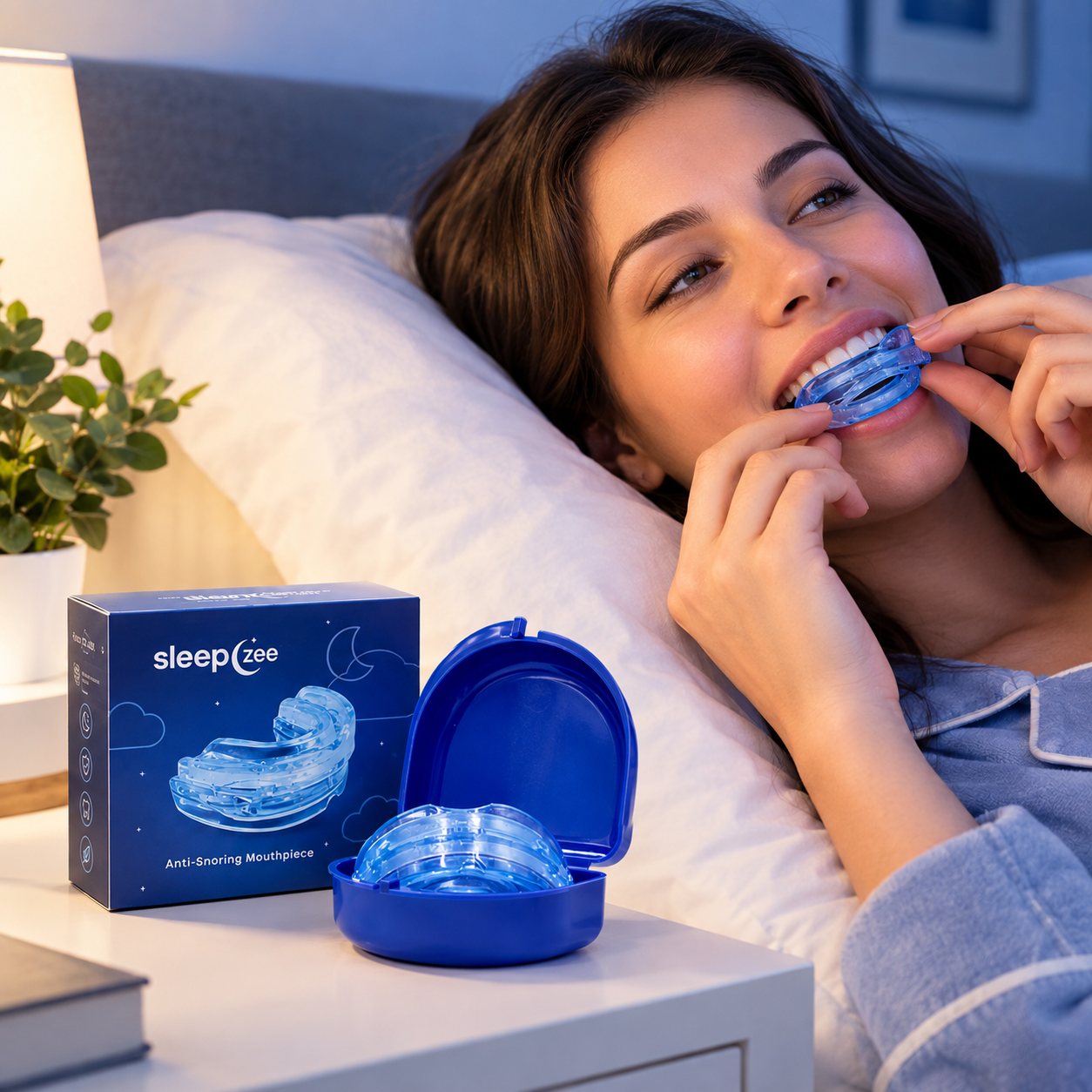
Wash your hands and inspect the mouthpiece before fitting. Warm it only as directed in the current product instructions. The purpose of warming is to make the moldable areas ready to shape; water that is too hot or exposure that is too long may affect the material. Keep a timer nearby and have any required container or cool water ready before you begin.
Position the softened mouthpiece as instructed, align it carefully, and mold it around the teeth using the recommended technique. Work gently. A secure fit should not mean painful pressure. Allow the appliance to cool and set fully before judging the result. If the instructions permit another fitting attempt, follow that process exactly rather than forcing an uncomfortable first fit.
Wear the fitted mouthpiece according to the supplied directions. It can take time to become familiar with the sensation of an oral appliance. Temporary extra saliva, dryness, mild tooth awareness, or morning jaw stiffness can occur with this type of product. These effects should be manageable and should improve rather than intensify. Persistent pain is a reason to stop and seek advice.
After use, rinse and clean the mouthpiece using the method stated in its care guide. Avoid harsh chemicals or very hot water unless expressly approved, because inappropriate cleaning may damage the material. Let it dry as directed before placing it in the ventilated storage case. Regularly inspect it for rough edges, splitting, distortion, discoloration, or other signs of wear.
Making room for quieter sleep
An anti-snoring mouthpiece can be one part of a broader sleep routine. Consistent bed and wake times, a calm wind-down period, a comfortable room, and attention to factors that worsen snoring can all matter. Alcohol near bedtime can relax throat tissues and make snoring more noticeable. Nasal congestion may also increase noisy breathing, while back sleeping can allow the tongue and soft tissues to fall backward more easily in some people.
Keeping simple notes can make your experience easier to evaluate. Record whether the mouthpiece stayed in place, how your jaw and teeth felt in the morning, whether a partner noticed a change, and whether you felt more rested. A recording app may identify sound patterns, but it cannot diagnose sleep apnea. Use observations as helpful context—not as a medical verdict.
Give yourself time to learn a new routine, but do not push through sharp pain, ongoing tooth movement, or worsening jaw symptoms. Comfort should become more familiar, not progressively worse. If snoring continues, returns suddenly, or remains disruptive despite sensible changes, a clinician can help look for nasal, dental, weight-related, medication-related, or sleep-breathing factors.
It can also help to treat the bedroom as a place for rest rather than a testing laboratory. Keep the room comfortable, maintain a regular wind-down, and avoid changing many habits at once if you want to understand what makes a difference. A brief, dated note about comfort and morning symptoms is usually more useful than trying to interpret every sound in a recording. When something feels wrong, pause use and ask for qualified advice instead of repeatedly refitting without guidance.
Occasional snoring is common, but loud, persistent snoring can occur alongside obstructive sleep apnea. Warning signs include witnessed pauses in breathing, choking or gasping during sleep, marked daytime sleepiness, morning headaches, difficulty concentrating, and waking with a dry mouth. If these apply to you—or if you have high blood pressure or another reason to suspect sleep apnea—speak with a healthcare professional. Untreated sleep apnea carries health and safety risks that an ordinary anti-snoring purchase cannot assess.
A jaw-advancing appliance places forces on the teeth and jaw. Speak with a qualified dentist before use if you have loose teeth, active decay or gum disease, dentures, implants, bridges, braces, limited healthy teeth, chronic jaw pain, or a temporomandibular joint disorder. Professional oral appliances are usually fitted and monitored by trained dental clinicians because changes in bite and tooth position can occur over time.
Stop using the mouthpiece and get advice if you notice persistent tooth pain, jaw pain that does not settle, gum injury, a lasting change in your bite, cracked dental work, or difficulty opening your mouth. Never modify the appliance with tools, adhesives, or unapproved materials.
If you have diagnosed sleep apnea, do not discontinue CPAP, change pressure settings, or substitute a consumer mouthpiece without guidance from your treating clinician. Medical organizations recognize oral appliance therapy for selected patients, but the device choice, fit, and follow-up should reflect the individual diagnosis. Effectiveness may need to be confirmed with a sleep study rather than sound alone.
This page provides general educational information and product context. It does not provide medical or dental advice and does not establish that SleepZee is suitable for a particular person. Read the product labeling and current official instructions before use.
For evidence-based background on snoring, sleep apnea, and oral appliances, consult the American Academy of Sleep Medicine’s oral appliance guideline, the Cleveland Clinic’s overview of oral appliance therapy, or guidance on mandibular repositioning appliances from Guy’s and St Thomas’ NHS Foundation Trust. These independent resources describe the treatment category and are not endorsements of SleepZee.
Choosing with confidence
There is no one-size-fits-all answer to snoring. A helpful choice begins with understanding what you are trying to change, what a mouthpiece can realistically do, and when a different kind of support is needed. These considerations can help you decide whether SleepZee is worth exploring further.
Snoring is a sound, not a single diagnosis. Air moving past relaxed tissues may cause vibration, but the reasons the airway narrows differ. Some people notice snoring mainly when sleeping on their back. Others notice it after drinking alcohol, during an episode of congestion, or as part of a long-standing pattern. A jaw-positioning mouthpiece is aimed at one pathway: it encourages the lower jaw forward during sleep. If the main issue is a blocked nose or another medical problem, addressing that issue may require another approach.
Ask a partner what they actually observe, if possible. Is the snoring steady or interrupted by silence and a sudden gasp? Does it happen every night? Do you wake refreshed? These details help distinguish a mild nuisance from a symptom that should be assessed. Even if you sleep alone, waking short of breath, feeling exhausted despite enough time in bed, or dozing unexpectedly during the day is a reason to seek medical advice rather than relying on a product description.
With an oral appliance, the feeling in your mouth matters as much as the list of features. A device that slips out, presses unevenly, or causes pain is unlikely to be a sustainable part of your routine. An adjustable molding process can help tailor the fit, but it does not guarantee comfort for every jaw or dental arrangement. Check that your teeth and gums are healthy enough for an appliance, and follow fitting directions carefully instead of guessing.
If you already have dental treatment underway, ask your dentist before trying a new mouthpiece. Teeth, restorations, and bite patterns are individual. A professional can explain whether an over-the-counter option is reasonable for you or whether a custom dental appliance, another snoring strategy, or a sleep evaluation would be a better next step. Paying attention to early discomfort can help prevent a small fit issue from becoming a bigger one.
SleepZee is designed to help manage ordinary snoring, not to guarantee a particular result. Some people may notice less sound; others may need to adjust the fit or discover that a jaw-based solution is not right for them. A quieter room is a useful observation, but it is not proof that sleep breathing is medically normal. If symptoms are concerning, seek a proper evaluation even if a bed partner reports improvement in noise.
Before you order, review the current instructions, any suitability warnings, cleaning requirements, delivery details, and return conditions on the official site. Consider whether you are comfortable with the fitting process and regular upkeep. A thoughtful decision is better than assuming that one device works the same way for everyone. The goal is a manageable nighttime routine supported by accurate information, not a promise of perfect sleep.
The wider sleep picture
People often compare a mouthpiece with nasal strips, changing sleep position, lifestyle measures, and professional care. These options do not all work in the same way. A nasal strip is intended to improve airflow through the nose; a jaw-advancing mouthpiece acts farther back, around the space behind the tongue. Neither approach should be treated as a universal solution. The most useful choice depends on why the noise is happening and whether sleep-disordered breathing is present.
Side sleeping may reduce snoring for some people whose symptoms are worse on their back. Reducing alcohol close to bedtime may also help, since alcohol relaxes muscles in the throat. If nasal blockage is persistent, a clinician can evaluate possible causes. None of these steps replaces assessment when there are pauses in breathing, gasping, or significant daytime sleepiness.
For diagnosed obstructive sleep apnea, a sleep physician and a qualified dentist may work together to select, fit, and monitor a suitable oral appliance. Clinical guidelines discuss this approach for selected patients, including some who cannot tolerate CPAP, but care should be individualized. Follow-up can check both breathing outcomes and dental side effects. A consumer anti-snoring mouthpiece should not be assumed to provide the same monitoring, fit, or treatment performance as a professionally managed device.
The distinction matters because sleep quality is not measured by sound alone. Someone can snore less and still have interrupted breathing, while someone else can make noise without having sleep apnea. If you have concerns, a qualified professional can help interpret your symptoms and recommend appropriate testing. SleepZee may be an option to consider for ordinary snoring, but medical questions deserve a medical answer.
Ready to learn more?
Check the latest package information, directions, availability, delivery, returns, and guarantee terms before deciding whether it fits your routine.
Frequently asked questions
Learn about intended use, fitting, comfort, safety, and the right next step when snoring may point to a larger health concern.
SleepZee is an adjustable oral mouthpiece intended for adults who want a straightforward way to address ordinary snoring. Its design gently encourages the lower jaw into a forward position during sleep. That positioning may help support a more open airflow pathway and reduce the soft-tissue vibration associated with snoring for some users. SleepZee is not a diagnosis, cure, or substitute for treatment of obstructive sleep apnea.
This type of mouthpiece is often called a mandibular advancement device. It holds the lower jaw slightly forward, which can create more room behind the tongue and support airflow during sleep. Response varies from person to person. A comfortable, secure fit and consistent use are important, and anyone with possible sleep apnea should seek medical assessment rather than relying on a snoring product alone.
Follow the current instructions supplied with the product. The typical process involves warming the mouthpiece in water as directed, positioning it carefully, molding it around the teeth, and allowing it to cool. Do not improvise temperatures or fitting times. A fit that feels painful, unusually tight, or unstable should not be ignored; stop and review the instructions or consult a dental professional.
The compact mouthpiece format can be used in different sleeping positions, including side sleeping. Your comfort still depends on your individual mouth, dental health, fit, and sleep habits. Changing sleeping position may also help some people who snore, but persistent or concerning symptoms deserve a healthcare evaluation.
Talk with a physician or qualified dentist before use if you have jaw or TMJ problems, loose teeth, dentures, braces, active gum disease, significant dental work, breathing disorders, or known or suspected sleep apnea. Seek an assessment if snoring occurs with choking, gasping, witnessed breathing pauses, morning headaches, or marked daytime sleepiness.
No. Never stop or replace prescribed treatment without speaking with the clinician who manages your care. Oral appliance therapy can be appropriate for some people with diagnosed obstructive sleep apnea, but professional assessment, a properly selected device, and follow-up are important. SleepZee is presented here as an anti-snoring mouthpiece, not as a replacement for CPAP.
A brief adjustment period is common with oral appliances. Some people notice extra saliva, dry mouth, tooth tenderness, or temporary jaw stiffness. These effects should not be severe. Stop use and seek professional advice if you experience persistent pain, bite changes, damaged teeth, gum irritation, or any symptom that concerns you.
Use any Order SleepZee button on this page to visit the official order website. Review the current package contents, delivery information, fitting directions, returns, and guarantee conditions there before purchasing. Terms can change, so the order website is the source for the latest details. This information page does not display prices.
SleepZee combines an adjustable fit, a compact case, and an airflow-focused mouthpiece design. Explore the current official information, consider the safety guidance, and make an informed choice for your nighttime routine.
You will continue to the official SleepZee order website.